What Do You Call Someone Who Loves Nature refers to the different words, labels and meaningful terms used to describe someone who feels a deep connection to the outdoors, forests, wildlife and the natural world. This phrase represents curiosity about identity, personality and the language used to define individuals who appreciate Earth’s beauty.
There’s something fascinating about people who find peace in the fresh air, green forests and quiet mountains. Their passion feels powerful and refreshing like a breath of clean air after a long time indoors.
When exploring What Do You Call Someone Who Loves Nature, you’ll find simple everyday labels, rare poetic words and even scientific terms that reveal how deeply someone can appreciate trees, wildlife, landscapes and the living world around us.
Common Names for Someone Who Loves Nature

Many everyday terms describe someone who appreciates nature. These words appear in conversations, travel blogs and outdoor communities. They’re simple, friendly and widely understood.
Nature Lover
A nature lover is one of the most common and universal terms. It means someone who cares about trees, forests, animals and landscapes. This term works in casual conversation, writing and captions like:
“She’s a nature lover who spends weekends hiking in the mountains.”
It carries a warm and positive tone.
Nature Enthusiast
A nature enthusiast shows more active excitement. This person doesn’t just enjoy nature—they study it, explore it and learn from it. You’ll find this term commonly used in tourism, environmental education and outdoor communities.
Example sentence:
“A nature enthusiast finds joy in learning about ecosystems and wildlife.”
Outdoor Lover or Outdoorsy Person
Some people connect to nature through action. These are hikers, campers, climbers, wildlife photographers and backpackers.
Examples of outdoor hobbies often associated with this term include:
- Camping
- Wildlife photography
- Trail running
- Kayaking
- Mountain climbing
This term focuses more on outdoor experience rather than scientific curiosity.
Specific and Unique Words for Someone Who Loves Nature
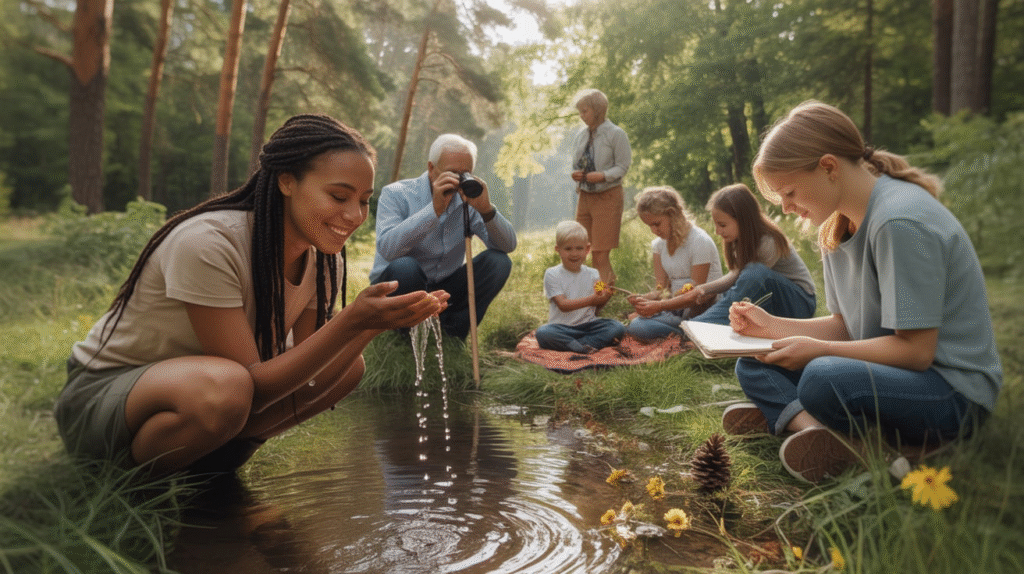
Certain words sound rare, poetic or rooted in history. They add texture and personality to the idea of loving nature.
Biophile
A biophile comes from two Greek words:
| Greek Word | Meaning |
| Bios | Life |
| Philia | Love or fondness |
A biophile doesn’t just love nature—they have a strong link to all living things including plants, animals, and ecosystems. Environmental psychologists use the term biophilia to describe the human tendency to seek connection with nature. Modern architecture, mental health research and sustainability movements reference biophilia often because spending time in nature improves well-being.
Nemophilist
A nemophilist describes someone with a special fondness for the woods or forests. The word comes from:
| Greek Root | Meaning |
| Nemos | Grove or forest |
| Philos | Affection or love |
A nemophilist doesn’t simply walk through the woods—they feel peace and solace among trees. They enjoy wandering through quiet forests and observing the tranquil and solitary beauty of nature. The term appears mostly in books, poetry and literary descriptions rather than everyday conversation.
Ecophile
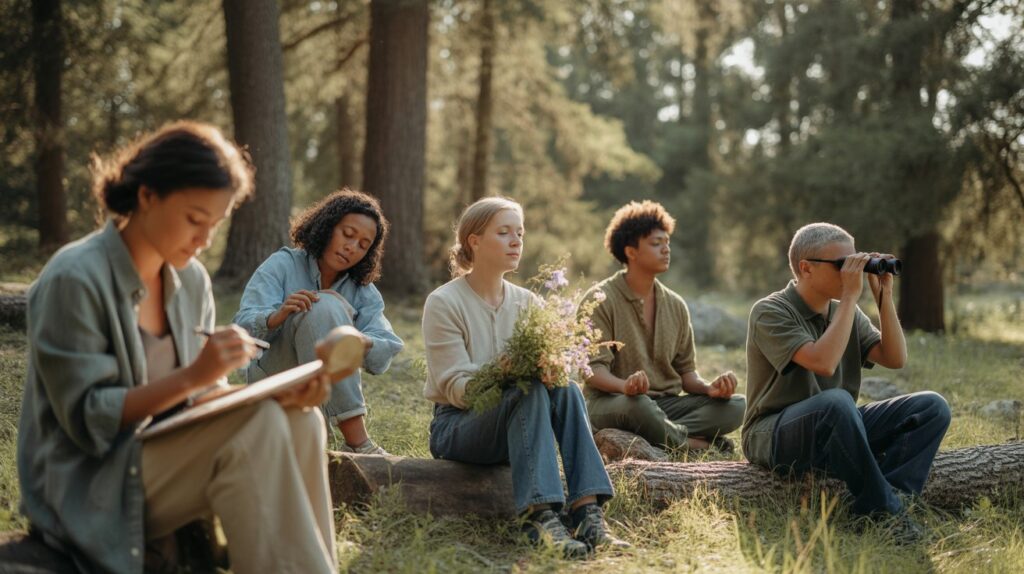
An ecophile cares deeply about ecosystems, environmental science and sustainability. Unlike the poetic tone of nemophilist, ecophile leans toward scientific, ecological and environmental contexts. They may support conservation efforts, green living and sustainable development.
Naturalist
A naturalist studies or observes the natural world. Naturalists document species, learn about plants and study wildlife behavior. Famous naturalists like Henry David Thoreau and John Muir shaped environmental thought and inspired millions to protect forests, mountains and rivers.
A naturalist is often a researcher, writer or explorer—not simply someone who enjoys nature.
Slang or Informal Labels for Nature Lovers
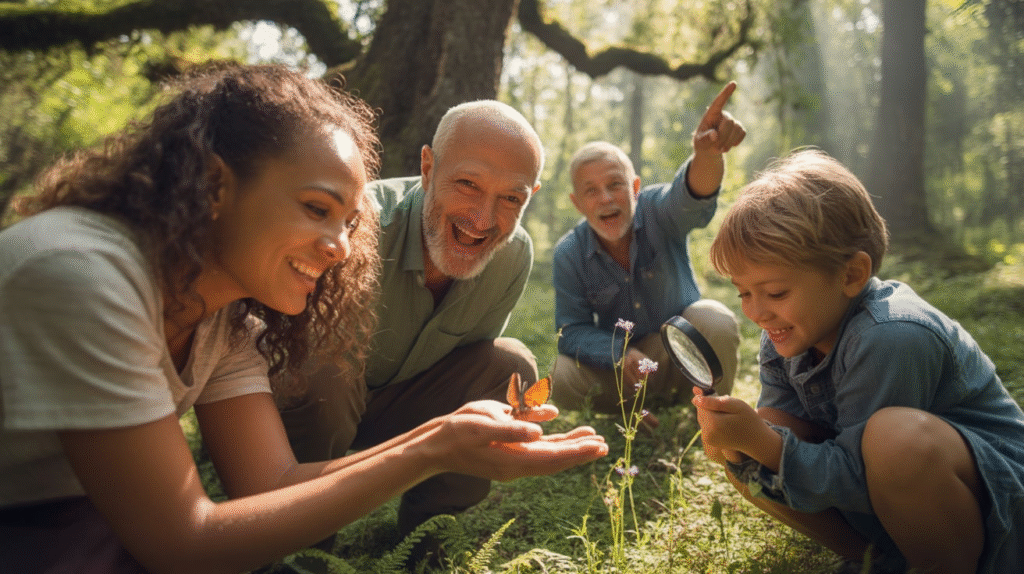
Some labels come from pop culture, activism or stereotypes. They can sound humorous, playful or passionate depending on context.
Tree-Hugger
A tree-hugger originally described activists who physically protected trees from logging. Today it can mean:
- Someone who loves trees
- Someone passionate about environmental conservation
- Someone involved in ecological activism
It can be affectionate or sarcastic depending on tone.
Greenie or Eco-Warrior
Terms like greenie, eco-warrior or ecofreak describe people who strongly support environmental protection. They might:
- Participate in environmental protests
- Advocate for climate policies
- Choose sustainable or eco-friendly lifestyles
- Support tree-planting campaigns
These terms connect identity with activism and purpose.
Related Titles Based on Roles or Careers
Sometimes a love for nature becomes a profession. In that case, the label changes.
| Term | Meaning | Context |
| Environmentalist | Protects nature and fights pollution | Activism and policy |
| Botanist | Studies plants scientifically | Research, universities, botanical gardens |
| Conservationist | Protects wildlife and forests | Wildlife reserves and environmental programs |
| Ecologist | Studies ecosystems and environmental relationships | Science and environmental agencies |
| Wildlife Photographer | Captures images of animals in their natural habitat | Media, tourism, conservation |
These titles reflect skill, training and responsibility.
Personality Traits Linked to People Who Love Nature

Many people who feel connected to nature share similar traits. They often:
- Prefer quiet over noise
- Feel energized in forests or mountains
- Value sustainability and natural balance
- Enjoy natural beauty more than technology
- Seek peace in outdoor spaces
- Notice details others miss
- Respect animals and ecosystems
Their lifestyle may include:
- Using eco-friendly products
- Spending weekends outdoors
- Growing native plants
- Reducing waste
- Supporting wildlife conservation
Nature becomes both refuge and identity.
Cultural and Language Variations
Different cultures have unique terms for people who love nature. Language reflects how societies value forests, rivers and wildlife.
Examples:
| Language | Term | Meaning |
| Japanese | 森ガール (Mori-gāru) | “Forest girl,” someone who finds peace in woods |
| German | Naturliebhaber | Direct translation: nature lover |
| Spanish | Amante de la naturaleza | Someone who loves nature |
Even though wording changes, the sentiment remains universal.
How to Choose the Right Term
Choosing the best term depends on tone, formality and context.
| Situation | Best Term |
| Everyday conversation | Nature lover |
| Outdoor lifestyle description | Outdoorsy person or outdoor enthusiast |
| Literary, poetic context | Nemophilist |
| Scientific or environmental context | Biophile or ecophile |
| Activism or sustainability context | Environmentalist or eco-warrior |
A single word won’t fit every situation. Context shapes language.
Conclusion
Learning What Do You Call Someone Who Loves Nature helps you understand how language captures passion for forests, wildlife and the outdoors. Some words sound casual and friendly while others feel poetic or scientific, yet each one shows a strong connection to the natural world. These terms celebrate people who feel at home among trees, mountains and the fresh open air.
When you think about What Do You Call Someone Who Loves Nature, you see that it’s more than a label. It reflects a lifestyle, a mindset and a deep appreciation for Earth’s beauty. This love often inspires care, protection and respect for the environment.
FAQs
What do you call someone who loves nature?
Someone who loves nature is often called a nature lover, environmentalist, or ecophile.
Is there a scientific term for someone who loves nature?
Yes, the term biophilia describes a person with a deep love and connection to nature.
What careers are common for people who love nature?
Common careers include wildlife photography, environmental science, forestry, biology, and eco-tourism.
How can someone who loves nature help protect the environment?
You can help by reducing waste, planting trees, avoiding plastic, and supporting conservation programs.
Is loving nature linked to better mental health?
Yes, studies show nature lowers stress, improves mood, and supports emotional well-being.

wellcome to couplefaith!
I am Nasir Hussain! the mind behind CoupleFaith, is an AI-powered SEO and content writer with 4 years of experience. I have enjoyed creating simple, helpful faith-based content that guides readers with warmth and clarity. my goal is to make every visitor feel at home and supported on their journey.
Lets achieve more together!