Introduction
List of All Prophet Names in the Bible and Their Role refers to every individual in Scripture who was chosen by God to deliver His messages, warn nations, reveal future events, guide His people, and call them back to righteousness. These prophets appear in both the Old and New Testaments, and each carried a unique assignment that shaped the spiritual story of Israel, the early Church, and the fulfillment of God’s promises.
Prophets weren’t random figures. They influenced kings, confronted corruption, predicted the coming Messiah, and spoke words that still echo through sermons, studies, and faith discussions today. Their lives are dramatic, inspiring, and deeply connected to real history.
Studying the complete list of biblical prophets and what they did helps readers understand the flow of God’s plan from Genesis to Revelation. It reveals how God used ordinary people to deliver extraordinary messages and reminds us that every prophecy—whether warning, comfort, or promise—served a purpose that still carries meaning for believers today.
The names are grouped into categories so you can study them easily:

- Major prophets
- Minor prophets (The Twelve)
- Other Old Testament prophets
- New Testament prophetic figures
- Prophets with no written books
A complete summary table appears near the end so readers can scan the full prophet list at a glance.
What Is a Prophet in the Bible?
A prophet is someone chosen by God to speak His words to people. The Hebrew word navi means “one who is called,” and the Greek word prophetes means “one who speaks forth.” A Biblical prophet did far more than predict the future. Their main assignment was to deliver divine messages, confront sin, defend the covenant, and call people back to obedience.
Core duties of a prophet
- Delivered God’s messages to Israel or surrounding nations
- Warned about judgment when people rejected the covenant
- Encouraged hope and restoration after repentance
- Foretold events about kingdoms, empires, and the future Messiah
- Interpreted visions, dreams, and spiritual signs
- Confronted kings, priests, and nations during moral decay
- Anointed rulers when commanded by God (example: Samuel anointed David)
A prophet could speak to an individual (Nathan correcting David), a nation (Amos warning Israel), or an empire (Daniel before Babylon and Persia). Some prophets also performed miracles, such as Elijah calling fire from heaven or Elisha healing Naaman.
List of All Prophet Names in the Bible and Their Role.
Two key roles of Biblical prophets
| Role | Purpose |
| Foretelling | Speaking about the future under God’s direction |
| Forthtelling | Speaking God’s truth boldly into the present moment |
Prophets defended God’s holiness, exposed social injustice, and reminded Israel that relationship with God required obedience, not ritual alone. List of All Prophet Names in the Bible and Their Role.
The term Major Prophets refers to the length of the books, not their importance. These five books contain some of the longest and most theologically rich writings in the Old Testament prophets category. They deal with national judgment, exile, God’s sovereignty, hope for restoration, and the future reign of the Messiah.
Isaiah – The Prophet of God’s Holiness
- Time period: 8th century BC
- Audience: Judah during moral decline and incoming Assyrian threat
- Key themes: God’s holiness, judgment, Messiah’s return, salvation for Israel and the nations
- Notable prophecies: Virgin birth (Isaiah 7:14), Suffering Servant (Isaiah 53), future kingdom
- Role: Warned, comforted, and pointed to the coming Redeemer
Jeremiah – The Weeping Prophet
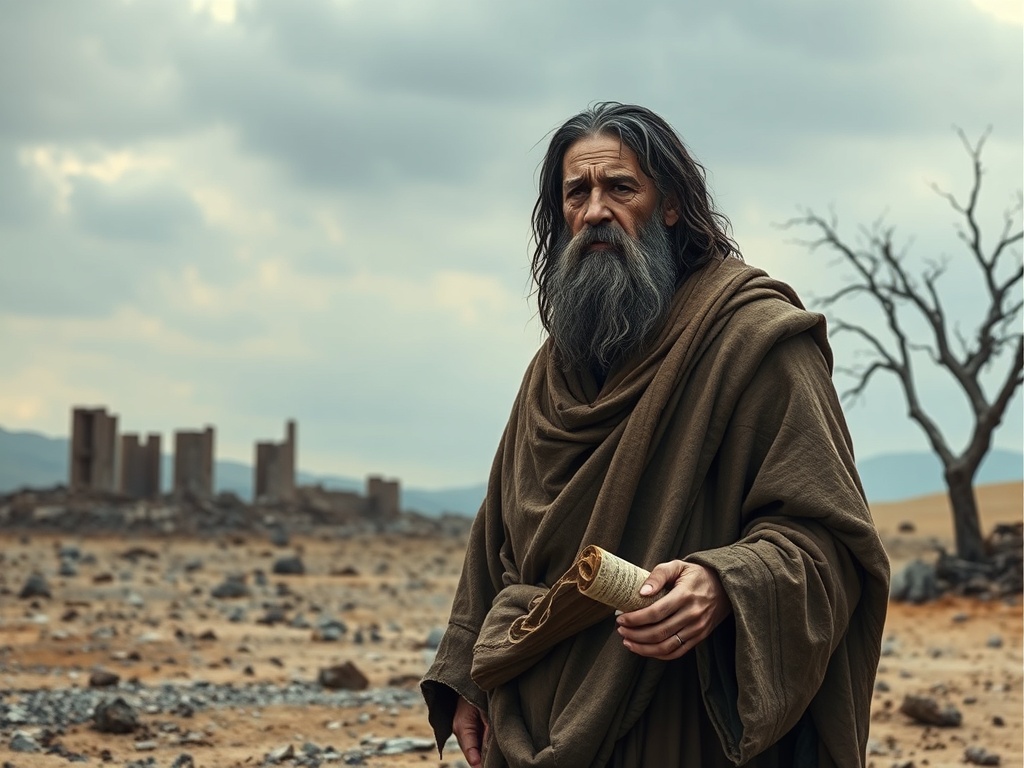
- Time period: Final years before Babylonian exile
- Audience: Judah’s kings, priests, and people
- Key themes: Covenant broken, coming destruction, call to repentance
- Famous title: Weeping prophet because of deep grief over national sin
- Notable prophecies: New covenant (Jeremiah 31:31–34)
- Role: Confronted leaders, predicted the fall of Jerusalem
Lamentations – Mourning After Judgment
- Traditionally linked to Jeremiah
- Poetic sorrow over the fall of Jerusalem
- Shows the cost of rejecting God’s warnings
Ezekiel – The Prophet of Visions
- Time period: During Babylonian exile
- Key themes: God’s glory, personal accountability, restoration of Israel
- Known for: Symbolic acts, dramatic visions, valley of dry bones
- Role: Interpreted prophetic images, reassured exiles of future return
Daniel – Prophet in a Foreign Kingdom
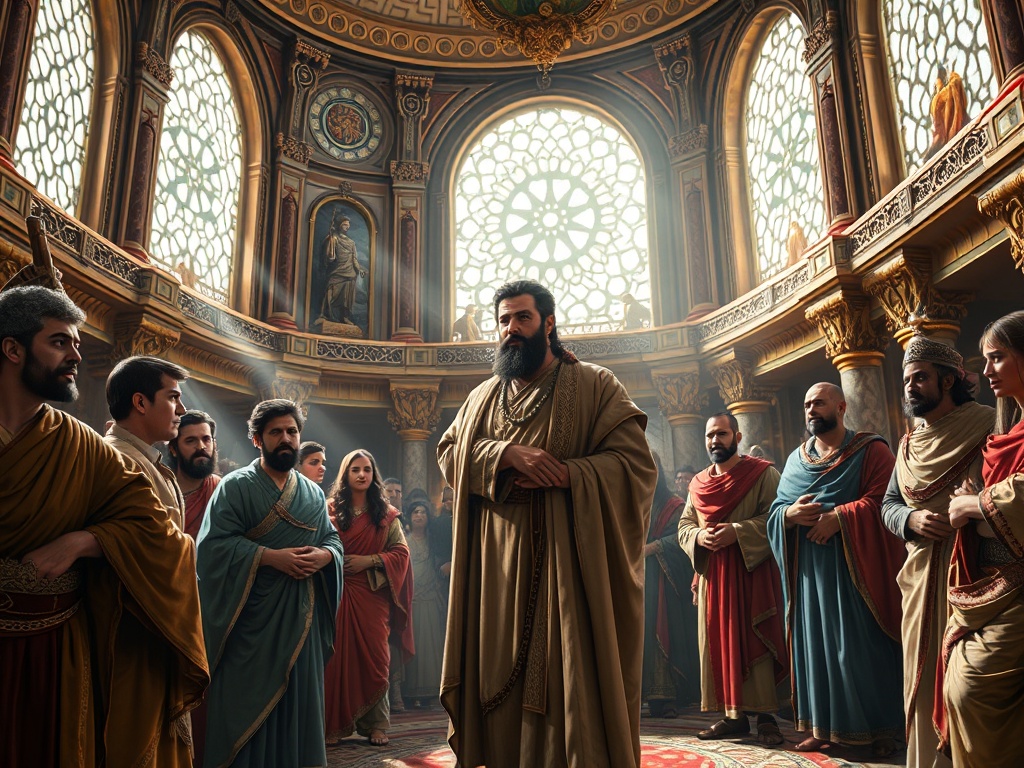
- Audience: Exiled Jews and future kingdoms
- Key themes: God rules over nations, rise and fall of empires, end-time prophecy
- Notable events: Lion’s den, fiery furnace, visions of future kingdoms
- Role: Led faithfully in a pagan court, foretold world powers and the Messiah’s kingdom
Table: Major Prophets Overview
| Prophet | Era | Main Role | Key Themes | Selected References |
| Isaiah | 740–680 BC | Warned Judah, foretold the Messiah | Holiness, redemption, salvation | Isaiah 6, 7:14, 53 |
| Jeremiah | 626–586 BC | Confronted leaders before exile | Covenant, judgment, new covenant | Jeremiah 1, 31:31–34 |
| Lamentations | 586 BC | Poetic grief after fall | Mourning, consequences of sin | Lamentations 1–5 |
| Ezekiel | 593–571 BC | Spoke to exiles, used visions | God’s glory, restoration, responsibility | Ezekiel 1, 37 |
| Daniel | 605–536 BC | Served in Babylon, saw future kingdoms | Sovereignty, prophecy, faithfulness | Daniel 2, 7, 9 |
These Major Prophetic books shaped Jewish and Christian understanding of judgment, redemption, and the coming Messiah. They are foundational to Biblical history and theology. List of All Prophet Names in the Bible and Their Role.
The Minor Prophets, also called The Twelve, are shorter prophetic books found at the end of the Old Testament. They are “minor” only in length, not in significance. Their messages address national rebellion, foreign nations, social injustice, repentance, and God’s future plans for Israel and the world.
Overview of the Twelve Minor Prophets
| Prophet | Era | Main Role | Central Message | Key References |
| Hosea | 8th century BC | Symbol of God’s faithful love | Spiritual unfaithfulness, covenant faithfulness | Hosea 1–3 |
| Joel | Uncertain (likely 9th–7th century BC) | Warned of locust plague | Day of the Lord, call to repent | Joel 2 |
| Amos | 760 BC | Confronted wealthy Israel | Social injustice, empty religion | Amos 5 |
| Obadiah | 6th century BC | Judged Edom | Pride, divine justice | Obadiah 1 |
| Jonah | 8th century BC | Sent to Nineveh | God’s mercy to other nations | Jonah 1–4 |
| Micah | 740–700 BC | Warned Judah and Israel | Justice, Messiah from Bethlehem | Micah 5:2 |
| Nahum | 7th century BC | Announced Nineveh’s fall | God’s vengeance against cruelty | Nahum 1 |
| Habakkuk | 7th century BC | Questioned God about evil | Living by faith during judgment | Habakkuk 2:4 |
| Zephaniah | 7th century BC | Declared coming judgment | Day of the Lord, purification | Zephaniah 1 |
| Haggai | 520 BC | Encouraged temple rebuilding | Obedience brings blessing | Haggai 1–2 |
| Zechariah | 520–518 BC | Messianic visions | Future Messiah, restored Jerusalem | Zechariah 9, 14 |
| Malachi | 430 BC | Final OT prophet | Covenant rebuke, coming Elijah | Malachi 3–4 |
Highlights of The Twelve
Hosea – Love in the Face of Betrayal
Hosea’s marriage to an unfaithful wife symbolized Israel’s unfaithfulness. His life became a prophetic message of God’s loyal love to a disloyal people.
Amos – Justice Over Empty Worship
Amos confronted the wealthy elite for crushing the poor. He said God rejected their sacrifices because their lives lacked righteousness and mercy.
“Let justice roll on like a river, righteousness like a never-failing stream” (Amos 5:24)
Micah – Judgment and Hope
Micah announced judgment but also foretold the Messiah’s birthplace in Bethlehem. He summarized God’s expectations in a single sentence:
“Act justly, love mercy, walk humbly with your God” (Micah 6:8)
Habakkuk – Wrestling With God
Habakkuk questioned God about evil and corruption. God answered that “the righteous will live by faith,” a verse later quoted by Paul in Romans and Galatians.
Malachi – The Last Voice Before 400 Years of Silence
Malachi rebuked priests and people for stagnant worship, then pointed forward to John the Baptist, the next prophetic messenger.
Key Themes of the Minor Prophets

- Repentance is always possible before judgment
- God defends the poor and oppressed
- Nations are accountable to God, not only Israel
- Prophecy often moves from near fulfillment → future fulfillment
- The coming Messiah is central to restoration
Even though short, these books challenge every generation about righteousness, worship, and allegiance to God.
Multi-Part Bible Passages List
Creation Account
- Genesis 1:1–25 / Genesis 1:26–2:3
Fall of Man
- Genesis 3:1–7 / Genesis 3:8–24
Noah and the Flood
- Genesis 6 / Genesis 7 / Genesis 8–9
Call of Abraham
- Genesis 12:1–9 / Genesis 12:10–20
Joseph Story
- Genesis 37 / Genesis 39–40 / Genesis 41 / Genesis 42–45 / Genesis 46–50
Ten Plagues of Egypt
- Exodus 7–10 / Exodus 11–12
Ten Commandments
- Exodus 20:1–17 / Deuteronomy 5:1–22
Crossing the Red Sea
- Exodus 14:1–14 / Exodus 14:15–31
David and Goliath
- 1 Samuel 17:1–30 / 1 Samuel 17:31–58
Elijah on Mount Carmel
- 1 Kings 18:16–29 / 1 Kings 18:30–40
Valley of Dry Bones (Ezekiel)
- Ezekiel 37:1–14 / Ezekiel 37:15–28
Suffering Servant Prophecy
- Isaiah 52:13–53:3 / Isaiah 53:4–12
Jonah Story
- Jonah 1–2 / Jonah 3–4
Sermon on the Mount
- Matthew 5 / Matthew 6 / Matthew 7
Jesus Calms the Storm & Casts Out Demons
- Mark 4:35–41 / Mark 5:1–20
Parables of the Kingdom
- Matthew 13:1–23 / Matthew 13:24–52
Olivet Discourse
- Matthew 24 / Matthew 25
Last Supper & Betrayal
- Luke 22:7–20 / Luke 22:21–38
Crucifixion & Resurrection
- John 19 / John 20
Pentecost & Early Church Growth
- Acts 2 / Acts 3–4
Paul’s Conversion and Ministry
- Acts 9:1–19 / Acts 9:20–31
Armor of God
- Ephesians 6:10–13 / Ephesians 6:14–18
Fruit of the Spirit
- Galatians 5:16–21 / Galatians 5:22–26
Faith Chapter (Hebrews 11)
- Hebrews 11:1–16 / Hebrews 11:17–40
New Heaven and New Earth
- Revelation 21 / Revelation 22
FAQs
What qualifies someone as a prophet in the Bible?
A prophet is someone chosen by God to speak His messages, give warnings, reveal future events, or guide His people according to God’s will.
How many prophets are named in the Bible?
There are more than 30 named prophets in the Old Testament and several more in the New Testament, including men and women.
Did every prophet write a book in the Bible?
No. Some prophets like Elijah, Elisha, Samuel, and Nathan never wrote books, but their works and messages are recorded in Scripture.
Are there female prophets in the Bible?
Yes. The Bible mentions female prophets such as Miriam, Deborah, Huldah, and Anna.
Do Christians believe prophecy still exists today?
Many Christian groups teach that the gift of prophecy continues as a spiritual gift, while others believe it ended after the early Church era.
Conclusion
All Prophet Names in the Bible and Their Role helps us see how God guided His people through every generation. Each prophet had a purpose. Some warned of judgment. Some encouraged hope. Others pointed to the coming of Jesus.
Their lives show that God speaks with purpose, and nothing in history happens outside His plan.
Studying the All Prophet Names in the Bible and Their Role also helps us understand the message behind the Bible, not just the stories. These prophets taught about faith, obedience, justice, and repentance. Their messages are still relevant today because they remind us that God still calls people to listen, respond, and live with truth.

wellcome to couplefaith!
I am Nasir Hussain! the mind behind CoupleFaith, is an AI-powered SEO and content writer with 4 years of experience. I have enjoyed creating simple, helpful faith-based content that guides readers with warmth and clarity. my goal is to make every visitor feel at home and supported on their journey.
Lets achieve more together!