Interesting Facts About Peter from the Bible describe the life, character and spiritual journey of one of the most well-known apostles in Christianity. Peter, also known as Simon Peter, appears throughout the New Testament and plays a key role in Jesus Christ’s ministry, the formation of the early church and the spread of the gospel. His story includes loyalty, weakness, courage, repentance and transformation.
Peter’s journey feels raw, emotional and profoundly human. His highs and lows mirror the struggles many people face today with faith, doubt and growth. His story isn’t polished or distant; it’s bold, flawed and inspiring, which is why millions still feel deeply connected to him.
These interesting facts about Peter from the Bible show how a simple fisherman became a foundation of the church. From walking on water to preaching at Pentecost, his life tells a powerful story of grace, purpose and personal change. Each fact reveals another layer of his identity, making his legacy unforgettable and meaningful.
Introduction to Peter (Why His Story Still Matters)
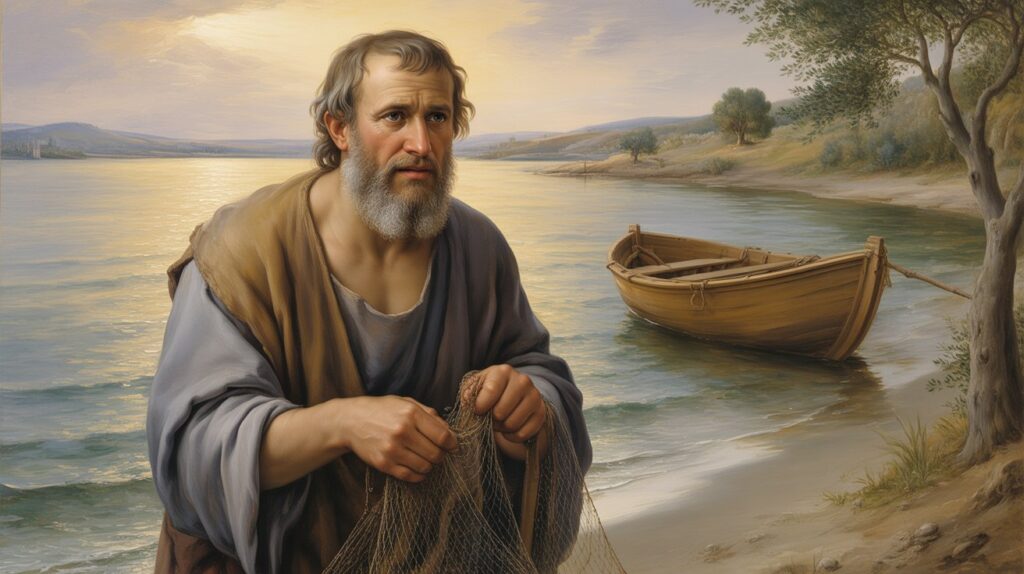
The story of Peter resonates because it reflects the experience of real human transformation. His shift from Simon the fisherman to Peter the apostle mirrors what spiritual growth looks like for many: messy, imperfect, and incredibly meaningful.
His emotional range—fear, boldness, loyalty, denial, repentance, and unwavering conviction—demonstrates the tension between weakness and faith found within every believer. That’s why discussions surrounding Peter the Apostle remain timeless.
Peter’s Original Name Was Simon
Peter’s birth name was Simon, a traditional Hebrew name meaning “he has heard.” In the Gospel of John, Jesus meets him and immediately speaks something deeper over his life:
“You are Simon, son of John. You will be called Cephas.”
(John 1:42)
The word Cephas (Aramaic) translates to Petros in Greek, meaning rock.
That moment wasn’t a casual nickname—Jesus was giving him identity and purpose. This renaming reflected leadership, stability, and future responsibility. Peter wasn’t yet the “rock.” He would grow into it.
His transformation captures an important spiritual truth: identity isn’t always based on who you currently are but who you can become.
Peter Came from the Fishing Village of Bethsaida
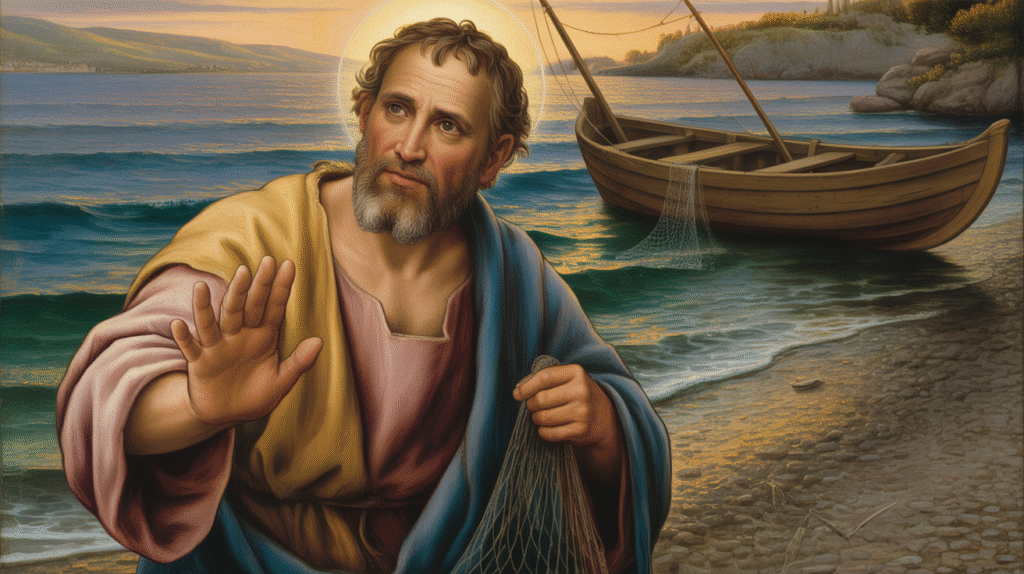
Peter originated from Bethsaida, a town situated on the northern coast of the Sea of Galilee. The area played a significant role in early ministry settings, trade routes, and cultural intersections between Jewish and Roman communities.
Later, Peter lived in Capernaum, another regional hub. Archaeologists have identified ruins believed to be connected to Peter’s home. Layers of plaster and early Christian inscriptions suggest that his house later became a sacred gathering space for worship.
Bethsaida wasn’t a random birthplace. It sat at a crossroads of culture, language, and faith—a setting that prepared Peter to eventually become a powerful communicator and leader.
Peter Was a Fisherman Before Following Jesus
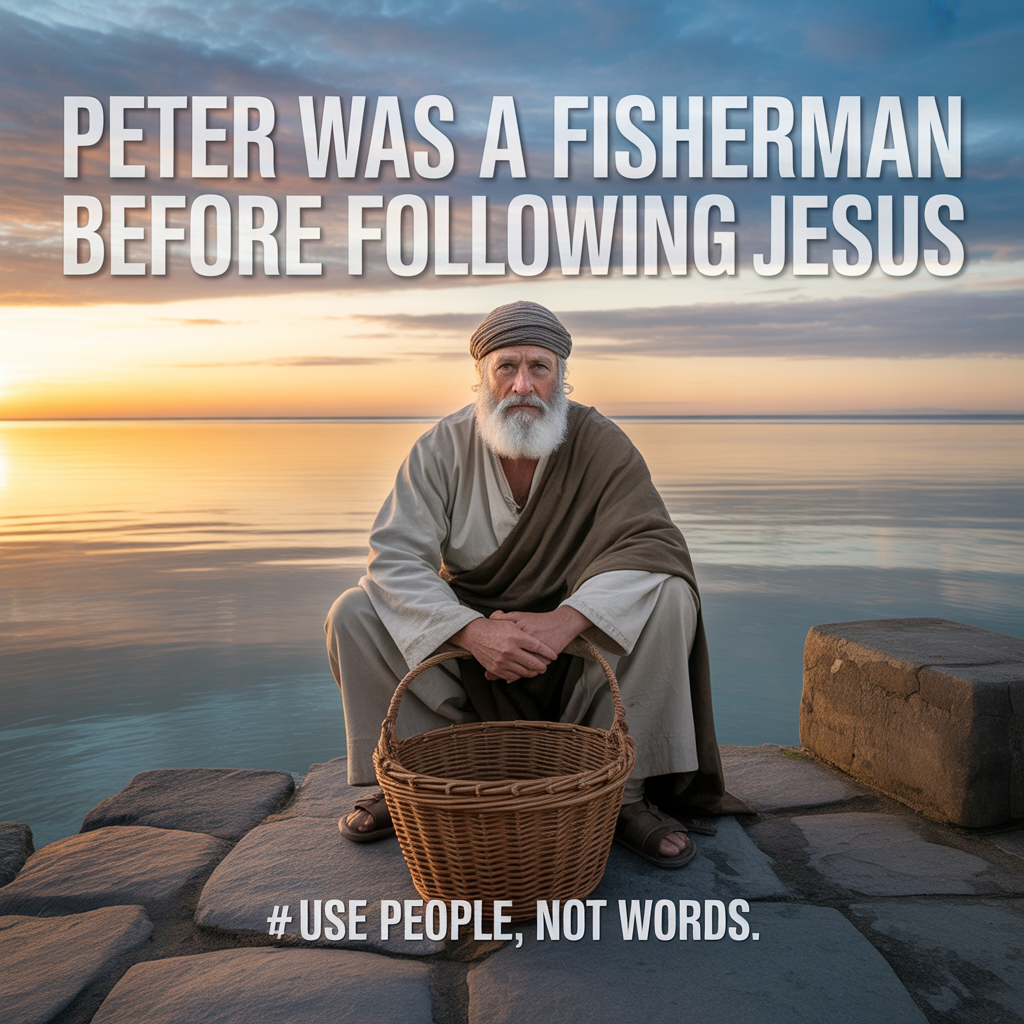
Before stepping into ministry, Peter worked as a fisherman. Fishing wasn’t a casual hobby—it was demanding labor requiring strength, patience, and strategy. Fishermen worked late nights and early mornings using nets, small crews, and wooden boats.
This context matters. Peter’s profession shaped his character:
- Practical
- Hardworking
- Persistent
- Team-oriented
- Resourceful
When Jesus Christ called him, the invitation was deeply symbolic:
“Follow me, and I will make you a fisher of men.”
(Matthew 4:19)
Jesus didn’t erase his skills. He redirected them. Instead of casting nets for fish, Peter would soon cast truth, hope, and teaching to humans through the Gospel.
Peter Was Married
Some forget that Peter wasn’t just a disciple—he was also a husband. Scripture confirms this in Matthew 8:14, where Jesus heals Peter’s mother-in-law.
The detail reveals something meaningful: Peter managed family responsibilities while following Jesus. His marriage reminds readers that early followers of Jesus weren’t isolated spiritual figures. They lived real lives with real commitments.
Peter Was One of Jesus’ First Disciples

Peter’s call to follow Jesus happened early in His ministry. Alongside his brother Andrew, he immediately left his nets and stepped into discipleship.
This wasn’t a hesitant decision. It was immediate and bold.
Peter sensed that Jesus wasn’t just another teacher. Something deeper was happening—a shift that connected both spiritually and personally.
His early response marks the beginning of his transformation from observer to active leader.
Peter Was Part of Jesus’ Inner Circle
Within the group of the twelve disciples, three men formed the closest circle around Jesus: Peter, James, and John.
These three witnessed moments other disciples didn’t.
Significant Events Peter Witnessed:
| Event | Location | Purpose |
| Jairus’ daughter restored to life | Galilee | Demonstration of authority over death |
| Transfiguration | Mount Tabor (traditionally) | Revelation of divine glory |
| Jesus’ agony in Gethsemane | Mount of Olives | Final preparation before crucifixion |
Seeing the Transfiguration was especially powerful. Jesus revealed His divine glory, and Moses and Elijah appeared beside Him. Peter witnessed firsthand evidence that Jesus wasn’t just a leader but the promised Messiah.
Peter Was Bold, Impulsive, and Unfiltered
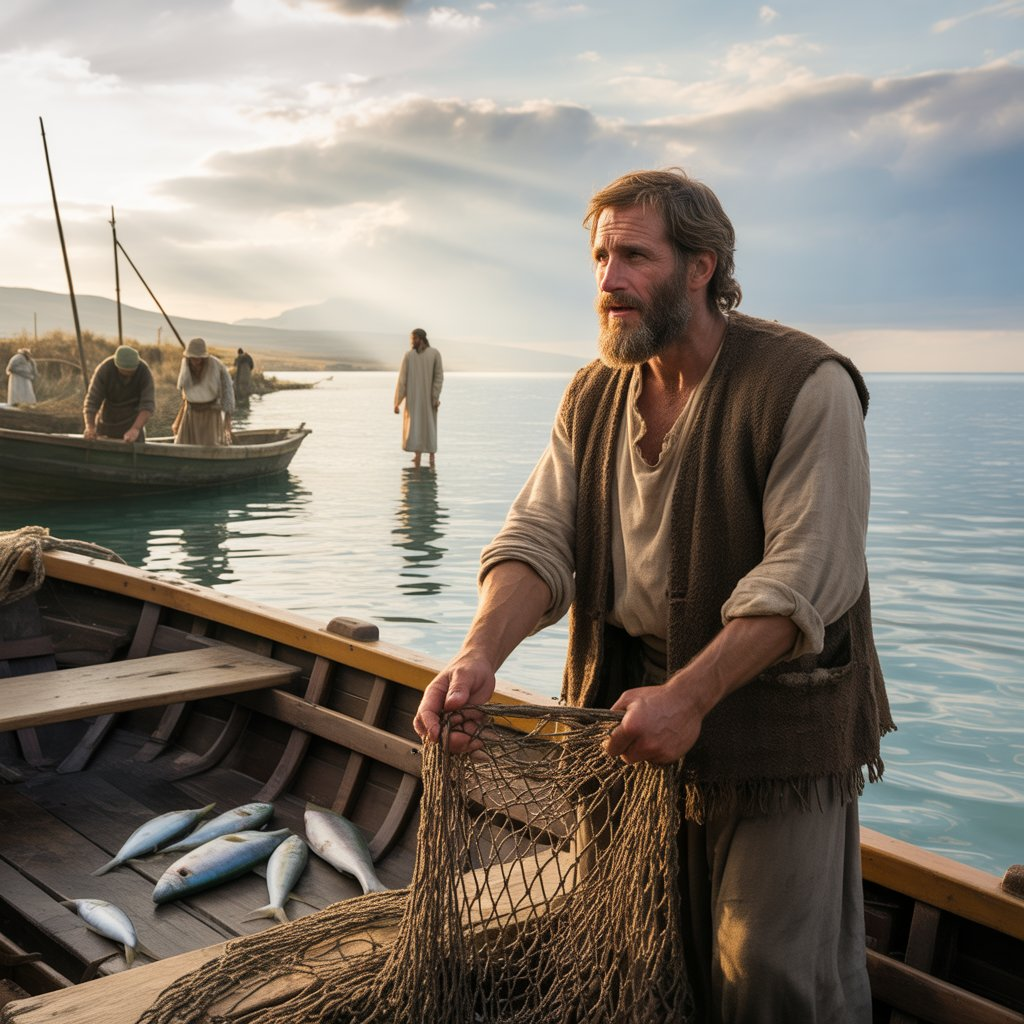
Peter’s personality made him unforgettable. He spoke quickly, acted decisively, and didn’t always think everything through. At times, those traits became strengths. At others, they caused trouble.
Clear Examples of Peter’s Impulsive Behavior:
- He stepped out of the boat and walked on water (Matthew 14:28–31).
- He cut off Malchus’ ear during Jesus’ arrest (John 18:10).
- He rebuked Jesus for predicting His own death.
- He boldly promised loyalty—then denied Jesus when fear overwhelmed him.
Peter wasn’t perfect. Yet his passion eventually matured into wisdom and strength.
Peter Denied Jesus Three Times
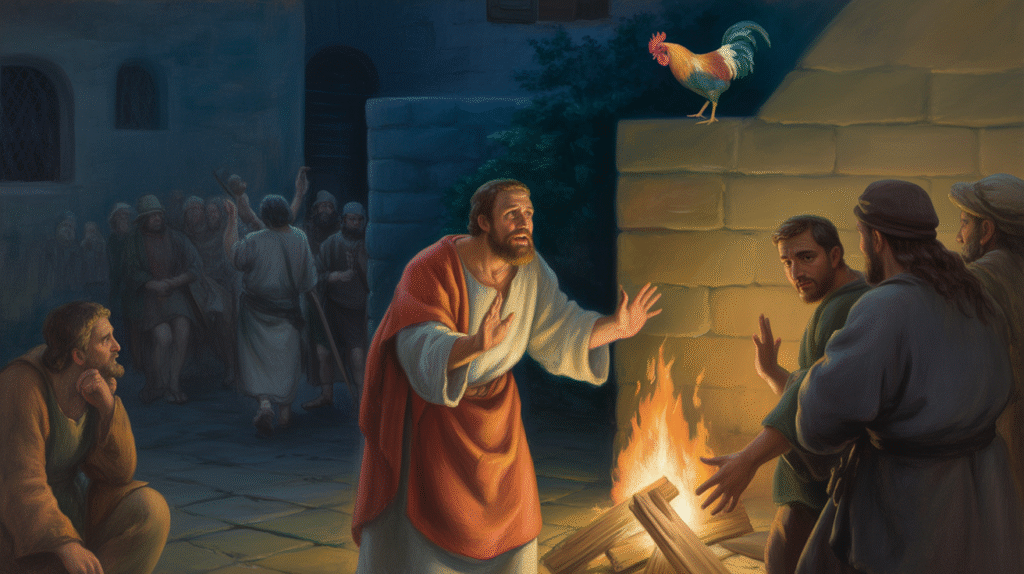
One of the most defining moments of Peter’s story happened during Jesus’ trial. Despite promising unwavering loyalty, fear overtook him.
Jesus predicted:
“Before the rooster crows, you will deny me three times.”
(Matthew 26:34)
Peter did exactly that.
This moment wasn’t just failure—it was heartbreak. Yet later, after the Resurrection, Jesus personally restored him by asking three times:
“Do you love me?”
Each time, Peter answered yes. Each answer rebuilt what fear tried to destroy.
This encounter reflects grace, redemption, and emotional healing—not punishment.
Peter Was the First Disciple to Enter the Empty Tomb
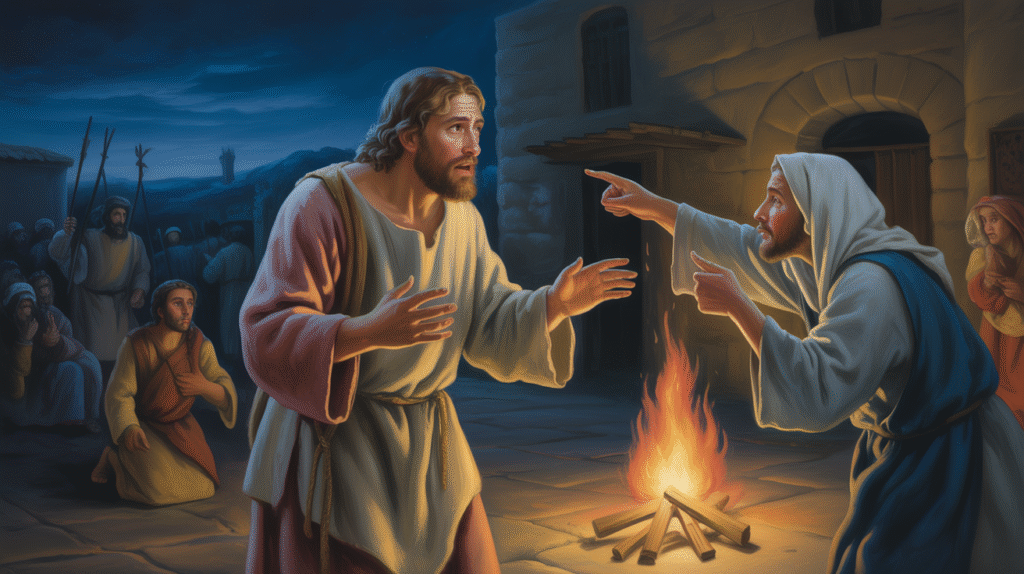
On the morning of the Resurrection, Mary Magdalene rushed to tell the disciples the tomb was empty. Peter and John ran to see for themselves.
John arrived first, but Peter entered first.
That detail shows something about his character. While others hesitated, his instinct pushed him forward. His courage and curiosity drove him into a moment that changed world history.
He became a firsthand witness of the empty tomb—the physical evidence that Jesus Christ had risen.
Peter Walked on Water
Peter remains the only disciple recorded as walking on water. When he saw Jesus walking in the storm, he said:
“Lord, if it’s you, tell me to come.”
Jesus answered with one word: “Come.”
Peter stepped out. For a moment, he defied natural law. But as wind and waves grew louder, fear overwhelmed faith, and he began to sink.
This moment reflects an important spiritual lesson: faith thrives when focused on Jesus and fades when distracted by fear.
Even in sinking, Peter didn’t fail. He demonstrated courage to try.
Peter Became a Leader in the Early Church
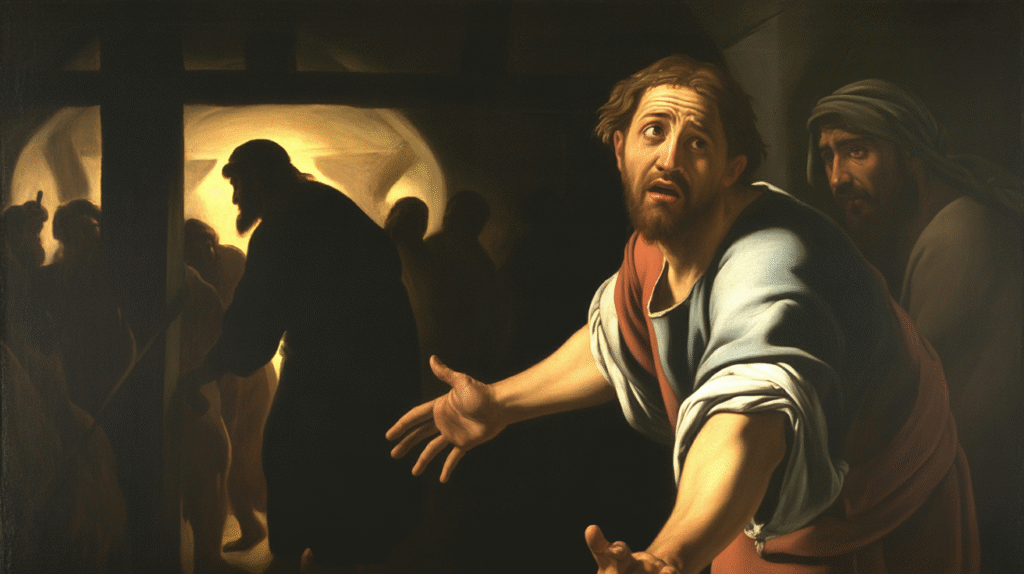
After the Resurrection, something powerful changed in Peter. The same man who denied Jesus now stood before crowds in Jerusalem and preached boldly. Interesting Facts About Peter from the Bible.
During Pentecost, filled with the Holy Spirit, Peter delivered a message so powerful that about 3,000 people were baptized and converted (Acts 2:14–41).
Peter’s Early Leadership Included:
- Preaching with clarity and confidence
- Performing miracles
- Defending faith before religious and political authority
- Shaping theology regarding Jews and Gentiles
- Providing oversight for growing Christian communities
Peter didn’t just teach Christianity—he helped build it.
Peter Helped Shape Christian Doctrine and Identity
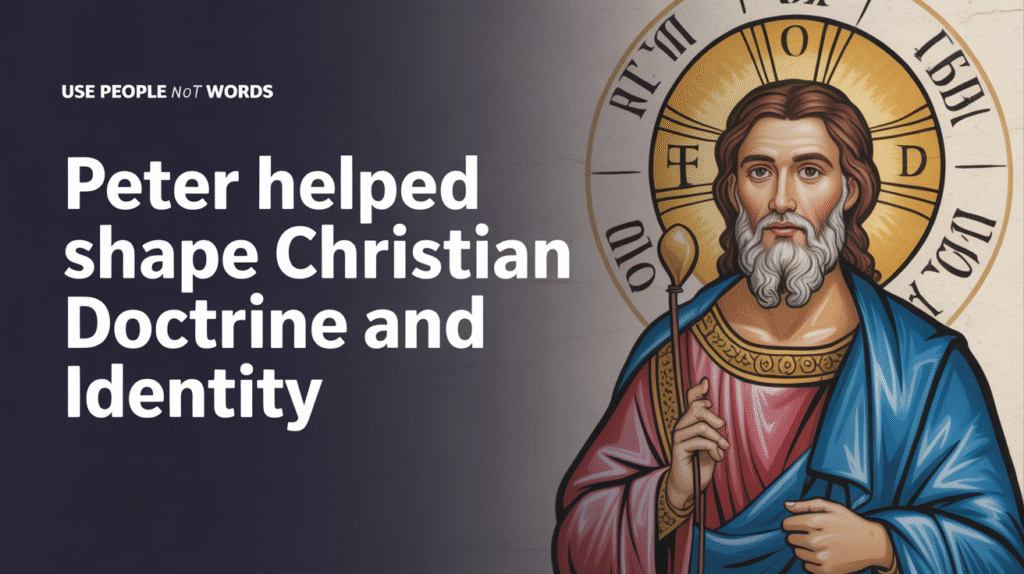
Peter played a critical role in shaping the identity of the Christian Church. He taught repentance, grace, and salvation through Christ—not through tradition or ritual alone.
His letters, 1 Peter and 2 Peter, reveal strong themes:
- Endurance during persecution
- Hope through suffering
- Holiness in everyday life
- Leadership with humility
- Future glory in the Resurrection
Peter wasn’t only bold in speech—he was wise in teaching.
Peter Was Martyred for His Faith
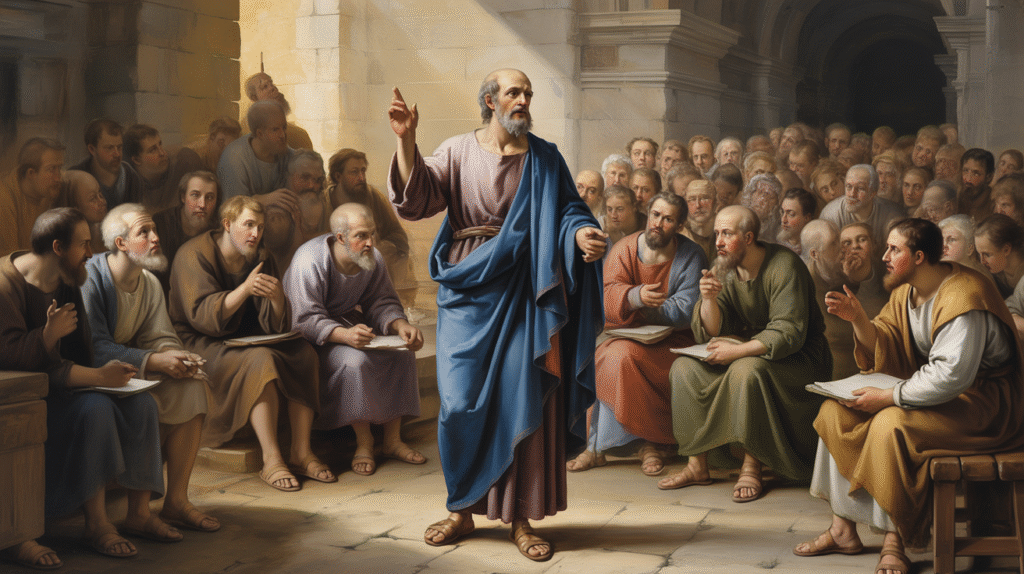
Peter eventually traveled toward Rome, where he continued teaching despite rising hostility toward Christians.
During Emperor Nero’s crackdown after the Great Fire of Rome, Peter was arrested and sentenced to death.
Tradition records that Peter requested to be crucified upside down, believing he wasn’t worthy to die the same way Jesus did.
His death wasn’t defeat—it was a final act of dedication.
Timeline of Peter’s Life
| Stage | Approximate Years | Key Events |
| Early Life | Before AD 30 | Fisherman in Bethsaida and Capernaum |
| Calling | AD 30 | Jesus calls him to follow |
| Ministry With Jesus | AD 30–33 | Teachings, miracles, Transfiguration |
| Denial and Restoration | AD 33 | Crucifixion events and Resurrection |
| Apostolic Leadership | AD 33–64 | Pentecost, preaching, missions |
| Martyrdom | AD 64–67 | Crucifixion under Nero |
Peter Before and After Meeting Jesus
| Trait | Before Jesus | After Resurrection |
| Confidence | Impulsive and emotional | Stable and courageous |
| Understanding of Faith | Limited | Mature and deep |
| Leadership | Unformed | Foundational to Christianity |
| Identity | Simon | Peter – the rock |
| Purpose | Undefined | Global mission |
Frequently Asked Questions About Peter
Who was Peter in the Bible?
Peter, also known as Simon Peter, was one of the twelve disciples of Jesus Christ and a foundational leader in the early Christian church.
Why was Peter also called Cephas?
Jesus gave him the name Cephas (Aramaic for “rock”) as recorded in John 1:42 to symbolize his future role in establishing the church.
Did Peter really deny Jesus three times?
Yes, according to the Gospels, Peter denied Jesus three times before the rooster crowed, fulfilling Jesus’ prophecy in Matthew 26:34.
How did Peter die?
Historical Christian tradition states that Peter was crucified upside down in Rome under Emperor Nero, because he felt unworthy to die the same way Jesus did.
What is Peter known for in Christianity today?
Peter is remembered for his transformation, leadership, preaching and bold faith, and many regard him as the first leader of the early church.
Conclusion
The Interesting Facts About Peter from the Bible remind us that Peter was bold, emotional and deeply human. His faith grew through mistakes, repentance and grace. From fisherman to apostle, his journey shows how ordinary people can be used for extraordinary purposes through faith and obedience.
These Interesting Facts About Peter from the Bible also highlight his lasting impact on Christianity. His leadership, courage and transformation continue to inspire believers around the world. His story encourages us to grow, trust God and keep moving forward even when we stumble.
Final Reflection
Peter’s story reminds readers that perfect faith isn’t required to walk with God—willingness is. His journey from Simon the fisherman to Peter the apostle reflects growth, humility, courage, and transformation that still inspires generations.
He wasn’t flawless, but his failures never defined him. His response to grace did.
His legacy lives not only in written Scripture but in the foundation of the Christian Church worldwide.

wellcome to couplefaith!
I am Nasir Hussain! the mind behind CoupleFaith, is an AI-powered SEO and content writer with 4 years of experience. I have enjoyed creating simple, helpful faith-based content that guides readers with warmth and clarity. my goal is to make every visitor feel at home and supported on their journey.
Lets achieve more together!