
Bible verses about concubines explore the lives of women who lived with men in recognized relationships, often as secondary wives with lesser legal and social status. These passages reveal the concubine meaning in the Bible, their role in families, and how they shaped biblical relationships and lineage.
Throughout Scripture, the stories of concubines capture human drama, moral conflict, and spiritual lessons. From Hagar’s journey with Abraham to the Levite’s concubine in Judges, these narratives unfold tension, jealousy, and divine intervention, offering readers a window into ancient Israel customs and society.
Understanding these verses goes beyond history. They reveal God’s design for marriage, the consequences of human choices, and the spiritual and cultural lessons embedded in Old Testament practices. By studying these accounts, modern readers can connect with Scripture on a deeper level, uncovering insights into faith, family, and obedience.
What Is a Concubine in the Bible?
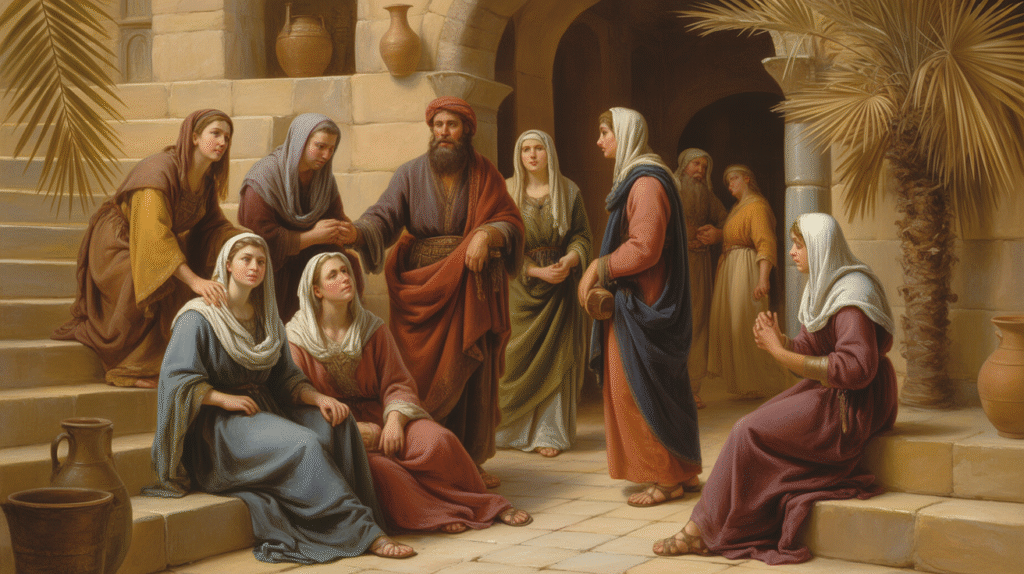
A concubine biblical definition is straightforward: a concubine is a woman who is in a recognized relationship with a man, similar to a wife but with lesser social and legal status. She often lived with her husband, bore children, and helped manage the household. Unlike a primary wife, a concubine did not usually have the full rights of inheritance or social recognition. Bible Verses About Concubines: Understanding Their Role in Scripture.
Key points about concubines in Scripture:
- They were secondary wives or companions to men, often servants in the Bible elevated to this status.
- Their union was recognized legally, but not equal to the full status of a wife.
- Bearing children often determines their significance within the household.
- Concubines could secure provision and strengthen political or family alliances.
This system was common in a patriarchal society where family lineage, property, and alliances mattered deeply.
Reasons Concubines Were Taken in Biblical Times

In ancient Israel customs and surrounding cultures, concubines were often taken for practical, social, or political reasons.
1. Fertility and lineage
Men sometimes took concubines because their wives were barren. A concubine could bear children, ensuring family continuity.
2. Political alliances
Kings and tribal leaders used concubines to strengthen ties with other families or nations. Solomon’s foreign wives and concubines illustrate this clearly (1 Kings 11:1–3).
3. Economic and social reasons
Concubines, often servants in the Bible, provided protection and provision. They helped manage households and served as companions.
4. Cultural acceptance
In biblical culture, polygamous relationships were socially normal, though Scripture often records these practices without explicitly condoning them.
Table: Concubine vs. Wife in Biblical Context
| Aspect | Wife | Concubine |
| Legal status | Full legal recognition | Lesser status, recognized relationship |
| Household role | Shared management | Assisted in household, secondary |
| Children | Equal inheritance | Sometimes limited inheritance |
| Social recognition | High | Lower |
| Primary purpose | Love and commitment | Bearing children, alliances |
Notable Bible Verses About Concubines

Abraham and Hagar
Abraham took Hagar, Sarah’s Egyptian servant, as a concubine when Sarah remained barren (Genesis 16:3). Hagar bore Ishmael, fulfilling God’s promise in a complicated, human-driven way.
- Hagar’s story reveals family tension and conflict, strife, and faithfulness in God’s plan despite human flaws.
- God’s grace is evident when He speaks directly to Hagar, affirming her dignity and future (Genesis 16:7–12).
Lessons: God works through imperfect circumstances and human choices.
Jacob and His Concubines
Jacob took Bilhah and Zilpah, the maidservants of Rachel and Leah, as concubines (Genesis 30:4, 9). They bore children who became part of the twelve tribes of Israel.
- This reflects Old Testament marriage practices, where secondary wives played a vital role in lineage and inheritance.
- Tension between wives and concubines was common, often causing jealousy, division, and family strife.
Quote: “Rachel gave her servant Bilhah to Jacob as a wife” (Genesis 30:4).
King David and His Concubines
King David had multiple wives and concubines (2 Samuel 5:13–16). The Bible records his actions, including their political and social implications, without fully endorsing them.
- David’s household demonstrates the complexity of polygamous relationships and the moral challenges of concubinage.
- Conflict and family tension often arose from jealousy and power struggles.
Key insight: Even chosen leaders faced consequences when deviating from God’s ideal plan.
King Solomon’s Many Wives and Concubines
Solomon’s reign illustrates political alliances and the danger of excess (1 Kings 11:1–3). His concubines included foreign wives who led him astray, contributing to spiritual downfall.
- Solomon’s example warns against straying from God’s design for marriage and seeking worldly alliances over spiritual fidelity.
- His story highlights the negative consequences of prioritizing human plans over God’s greater plan.
The Levite’s Concubine
The story of the Levite’s concubine (Judges 19:1–30) is tragic and disturbing.
- This account reveals abuse, suffering, and societal breakdown.
- The Levite’s household faced violent conflict, showing how ignoring God’s design for marriage leads to moral decline.
- The narrative emphasizes justice, human sin, and consequences in a society far from God’s ideal plan.
Other Scriptural Mentions
Other Old Testament concubines appear briefly, emphasizing the norms of ancient Israel:
- Concubines helped bear children, secure provision, and sometimes strengthened alliances.
- These stories highlight biblical culture and the difference between recorded practices and God’s ideal plan.
Does the Bible Condone Having Concubines?

Scripture often records concubines without explicitly condoning them. These stories:
- Describe human choices versus God’s design.
- Show the tension between cultural practices and God’s ideal plan.
- Reflect the troubles and negative consequences of deviating from one man one woman principles.
Key takeaway: The Bible documents Old Testament practices to teach moral lessons, not to endorse polygamy or concubinage.
God’s Design for Marriage

From Genesis 2:24, God’s original design is clear: one man, one woman, united as one flesh.
- Marriage in Scripture is meant to be a covenant of love, commitment, and faithfulness.
- Polygamy in the Bible often led to family tension and spiritual consequences, deviating from God’s ideal plan.
- The New Testament reaffirms one-flesh marriage (Matthew 19:5–6).
Modern application: Christians are encouraged to pursue faithfulness, love, and commitment in marital relationships.
Lessons We Can Learn from These Verses
The stories of biblical concubines offer practical and spiritual insights:
- Human choices have consequences: Abraham, Jacob, David, and Solomon show how decisions impact family and faith.
- God’s grace is unwavering: Hagar and other concubines received God’s care despite difficult circumstances.
- Spiritual lessons for modern readers: Faithfulness, obedience, and adherence to God’s standard are timeless principles.
- Recognize cultural differences: Old Testament marriage practices do not always reflect God’s ideal plan but reveal historical context.
Key Bible Verses for Reflection
| Verse | Lesson |
| Romans 3:23 | All have sinned; need for grace |
| Romans 5:8 | God’s love shown through Christ |
| Romans 6:23 | Consequences of sin; gift of salvation |
| Romans 10:13 | Assurance for those who call on Jesus |
| Jeremiah 29:13 | Seek God wholeheartedly |
These verses help contextualize the human failings seen in concubines in Scripture and point to God’s greater plan.
Conclusion
Bible Verses About Concubines: Understanding Their Role in Scripture show us the complex lives of women in secondary relationships. These stories reveal family tension, moral challenges, and human choices in biblical times. They highlight how concubines influenced lineage, household dynamics, and even political alliances.
Studying Bible Verses About Concubines: Understanding Their Role in Scripture helps us see the contrast between cultural practices and God’s design for marriage. These passages teach lessons about faithfulness, obedience, and consequences of choices. They encourage readers to reflect on Scripture and apply God’s higher standard in life and relationships today.
FAQs
What does the Bible say about concubines?
The Bible records concubines as secondary wives with lesser legal status, highlighting their roles in family, lineage, and society.
Who were the most notable concubines in the Bible?
Hagar, Bilhah, Zilpah, and the Levite’s concubine are key figures whose stories reveal tension, faith lessons, and historical context.
Did God approve of concubines in Scripture?
The Bible records their existence but does not condone concubinage, showing the contrast between human practices and God’s ideal plan.
Why did men take concubines in biblical times?
Concubines were taken for children, household management, political alliances, and social provision in patriarchal societies.
What lessons can modern readers learn from these verses?
These passages teach about faithfulness, obedience, family tension, and the importance of following God’s design for marriage.

wellcome to couplefaith!
I am Nasir Hussain! the mind behind CoupleFaith, is an AI-powered SEO and content writer with 4 years of experience. I have enjoyed creating simple, helpful faith-based content that guides readers with warmth and clarity. my goal is to make every visitor feel at home and supported on their journey.
Lets achieve more together!








1 thought on “Bible Verses About Concubines: (Understanding Their Role in Scripture)”